CNH 90382512 Modular Bench Simulator Ecu Ecm
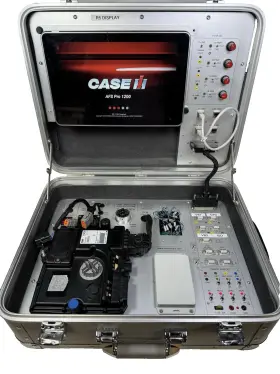
( Brand: Cnh ), ( Part Type: Ecm Ecu Case ), ( Manufacturer Part Number: 90382512 ), ( Country/region Of Manufacture: Italy )
Review CNH Case Ps Modular Architecture Test Bench Simulator Industrial Ecu Ecm
Introducing the 90382512 Modular Bench Simulator, a versatile and advanced solution for diagnosing and testing Engine Control Units (ECUs) and Electronic Control Modules (ECMs) in various vehicle applications. This simulator is an essential tool for automotive professionals, providing an accurate and reliable testing environment to ensure optimal vehicle performance.
The 90382512 Modular Bench Simulator is designed with a user-friendly interface, enabling easy connection and operation with a wide range of ECUs and ECMs. It features a modular design, allowing users to customize the setup according to their specific testing requirements. Each module is designed to simulate various vehicle networks, sensors, and actuators, providing comprehensive coverage of automotive systems.
The simulator offers high-speed data transfer and communication capabilities, enabling real-time testing and analysis of complex automotive systems. It supports various communication protocols, including CAN, J1850, and KWP, ensuring compatibility with a broad range of ECUs and ECMs.
The 90382512 Modular Bench Simulator comes with pre-configured test cases and test sequences, making it easier for users to perform common tests and diagnose common issues. It also offers the flexibility to create custom test sequences and scenarios, providing the ability to simulate various fault conditions and diagnose complex issues.
The simulator's intuitive software interface allows users to view and analyze real-time data, providing valuable insights into the performance of the vehicle systems. It also offers advanced features such as data logging and waveform analysis, enabling in-depth analysis of complex system behaviors.
The 90382512 Modular Bench Simulator is built with robust and durable components, ensuring reliable and long-lasting performance in heavy-duty testing environments. It is also easy to upgrade and expand, allowing users to add new modules and capabilities as their testing requirements evolve.
In summary, the 90382512 Modular Bench Simulator is an essential tool for automotive professionals, providing a versatile and accurate testing environment for diagnosing and testing ECUs and ECMs. Its modular design, high-speed data transfer capabilities, and advanced software features make it a comprehensive solution for optimizing vehicle performance and diagnosing complex issues.
Pros and Cons of Buying a (90382512) Modular Bench Simulator for ECU/ECM
Introduction:The (90382512) Modular Bench Simulator is a popular diagnostic tool for professionals working on Engine Control Units (ECUs) and Engine Management Systems (ECSMs). This device allows users to test and diagnose various automotive systems in a lab environment, making it an essential tool for automotive repair shops and research institutions. In this article, we will discuss the key advantages and disadvantages of investing in the (90382512) Modular Bench Simulator.
Pros:1. Comprehensive Diagnostic Capabilities: The bench simulator supports a wide range of vehicle makes and models, enabling users to diagnose various issues related to engine management, transmission control, and other vehicle systems.
2. Cost-Effective: Compared to the cost of purchasing multiple individual diagnostic tools for specific vehicle makes and models, investing in a modular bench simulator can save users significant time and money in the long run.
3. Flexibility: The modular design of the bench simulator allows users to easily upgrade and expand its capabilities by adding new modules, making it a versatile tool for addressing the diagnostic needs of various vehicle types.
4. User-Friendly: The bench simulator features an intuitive software interface and comes with comprehensive documentation and training materials, making it accessible to users with varying levels of diagnostic expertise.
Cons:1. Initial Investment: The upfront cost of purchasing a modular bench simulator can be high, making it a significant investment for some users.
2. Complexity: The bench simulator's modular design and extensive diagnostic capabilities can be overwhelming for users with limited diagnostic experience, requiring a learning curve and potential for errors.
3. Maintenance and Calibration: Regular maintenance and calibration of the bench simulator's hardware and software components can be time-consuming and costly.
4. Software Updates: Keeping the bench simulator's software up-to-date with the latest vehicle protocols and diagnostic capabilities can require ongoing subscription fees and downloads.
Conclusion:The (90382512) Modular Bench Simulator is a powerful and versatile diagnostic tool for professionals working on ECUs and ECSMs. Its comprehensive diagnostic capabilities, cost-effectiveness, and flexibility make it a valuable investment for automotive repair shops and research institutions. However, its initial investment cost, complexity, maintenance requirements, and ongoing software updates are important considerations that potential buyers should weigh against the benefits of this tool.
Recommendation:For professionals working on a diverse range of vehicles and requiring extensive diagnostic capabilities, the (90382512) Modular Bench Simulator is a strong recommendation. However, for those with limited diagnostic needs and a smaller budget, investing in individual diagnostic tools for specific vehicle makes and models may be a more cost-effective solution. Ultimately, the decision to purchase a modular bench simulator should be based on an assessment of the user's diagnostic requirements, budget, and expertise.
Details:
It appears to be used, overall good condition.
specifications electrinquiry:
- brand: Cnh
- part type: Ecm Ecu Case
- manufacturer part number: 90382512
- country/region of manufacture: Italy
seller electrinquiry:
- rating: 100.0%
- # reviews: 9093
- city: Sandy, Utah
payments electrinquiry:
- wallet: Apple-pay
- credit card: Discover
- other
shipping electrinquiry:
- service: FedEx Ground / FedEx Home Delivery
- transit: 2-6 Days
- class: Standard
- cost: $0.00
- carrier: FedEx
- type: Calculated
offer electrinquiry:
- quantity: 1
- sold: 0
- started: October 8, 2025
- options: Ship-to-home
- availability: In Stock
returns electrinquiry:
- policy: No Returns
general electrinquiry:
- Automotive Tools Supplies > Diagnostic Service Tools > Electrical Testers, Test Leads
- condition: For parts or not working